+126%
more covers at Bistro Aix, using an email list they already had
GoodFolks client result
A table that sits empty on a Tuesday is money you never get back. You can’t save the seat for Saturday.
Time and seats are the two things in a restaurant that genuinely go off, and an empty one on a quiet service is revenue lost for good. Most owners treat midweek as a problem to discount their way out of. It usually isn’t a pricing problem. It’s a reasons problem. Nobody’s giving people a reason to come out on a Tuesday.
First, find out which Tuesday you’ve got
The working week has changed, and your quiet nights might not be where you think. Some operators now find Tuesday lunch almost as busy as Saturday, because it’s the first day many people are back in the office after working from home on Monday. Friday lunch, once the busiest of the week, is now the quietest.
So before you change anything, look at your till by service, not by day. A quiet Tuesday dinner and a quiet Tuesday lunch are different problems with different fixes. The lunch is office workers. The dinner is locals.
Give people a reason, not a discount
The temptation is to knock 30% off and hope. Be careful. Almost half of consumers are actively hunting for deals, but heavy price cuts risk locking a venue into trading that doesn’t make money. Midweek set menus, bundles and loyalty rewards hold the margin while still giving deal-seekers a reason to book.
The best midweek offers aren’t really about price at all. Hawksmoor’s Mondays are unusually busy because of a £5 corkage charge on any bottle a guest brings in. It’s a reason to come on that night specifically, and it gets talked about.
A few that work for independents:
- A night with a name. Steak night, pasta night, a two-for-one on a dish you’re known for. Something people can put in the diary.
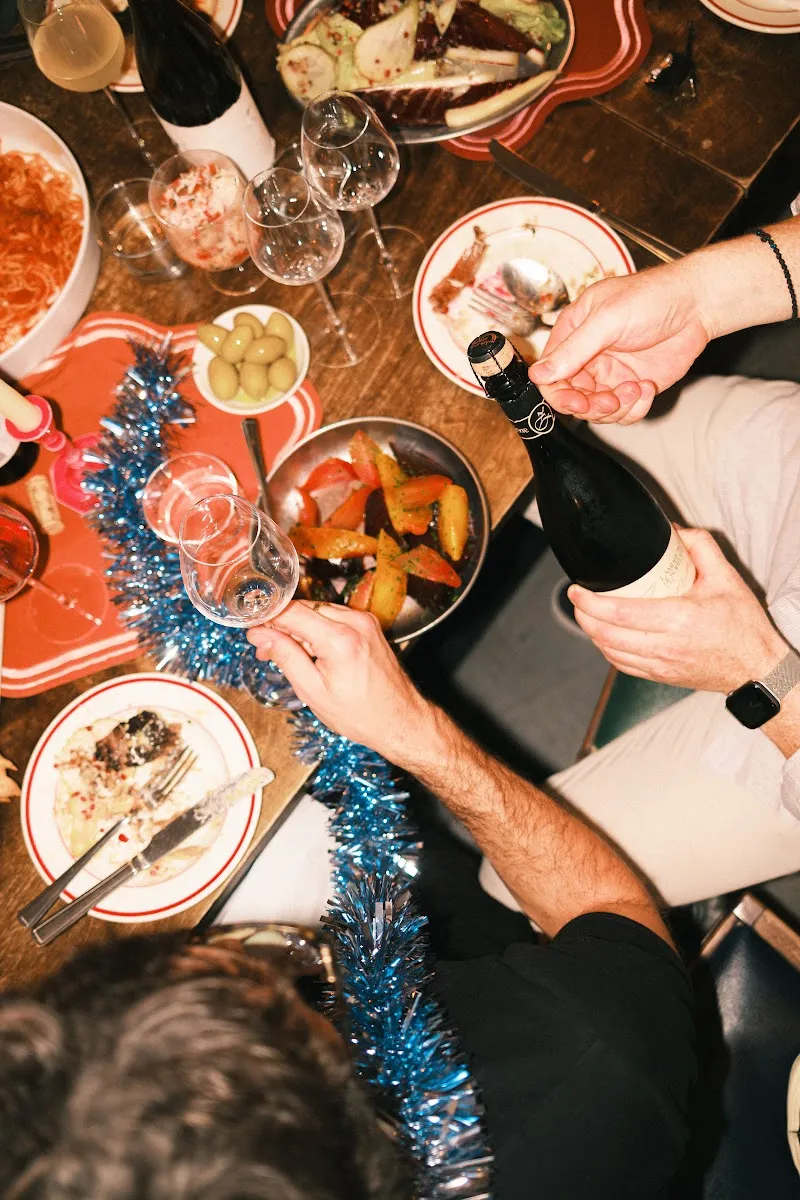
- Bring your own. Low corkage on a set night brings in wine people and fills the room.
- A monthly one-off. A supper club, a guest chef, a tasting menu. Small, ticketed and sold in advance.
- Locals first. A neighbourhood card or a Tuesday offer only for people on your email list. It rewards regulars instead of training everyone to wait for a deal.
Tell the people who can actually come
Midweek trade is local. Somebody in the next postcode isn’t coming out on a Tuesday. Somebody three streets away might.
So the marketing should be local too. Email your list the week before. Post on your Google Business Profile, which is where “restaurants near me” searches end up. Use Instagram stories on the day to show the room filling up. Talk to the businesses around you, because their staff eat out as well.
Give it eight weeks
A midweek night takes time to stick. People have to hear about it, try it, and then remember it’s a thing. Most venues give up after three weeks of middling covers, which is right before it starts to work.
Pick one idea, run it every week for two months, and judge it on covers, not likes.
From our work
You probably have the tools already
Most owners we meet aren’t short of the things that fill a quiet night. They’ve got an email list built up over years of bookings. Their regulars follow them on Instagram and genuinely like them. What they don’t have is the time to use any of it, because they’re on the floor, in the kitchen or doing the accounts at midnight.
That was the case at Bistro Aix, a North London restaurant we started working with. The list was there. The following was there. Nothing was being sent. We took that email list and sent a weekly email, every week, without fail. It was as simple as that. Covers grew 126%, at a time when the regional average was down 30%.
Nothing clever. Just the tools they already had, finally being used.
The short version
Find out which service is actually quiet. Give people a reason to come that night, not just a cheaper bill. Tell the people who live close enough to turn up, and keep going long enough for it to become a habit.
Chances are you already have what you need to do all of that. What’s missing is the time. That’s where we come in.