Home

Sectors

Case Studies

Insights

About

Category: Hospitality

  • Christmas bookings are won before Bonfire Night

    Christmas bookings are won before Bonfire Night

    34%

    of festive party bookings landed in a single week last December

    Dojo Bookings, UK venues

    Every year the same thing happens. December arrives, the phone rings, and the question is whether you’ve got room for twelve on the 12th. By then most of the decisions that shape your December have already been made. Just not by you.

    The good news is there’s still time. Here’s what the numbers say and what to do about it.

    When the money actually lands

    Christmas trading is squeezed into a very small window. Across UK venues using Dojo Bookings last year, the week commencing 8 December took 34% of all festive party bookings on its own. One week. A third of the season.

    The groups are bigger than most people plan for too. Access Hospitality’s booking data puts the average Christmas group at 15.5 covers. That’s not a table. That’s half your room, on one booking, with one person making the call.

    That person is the one you’re really marketing to. The office organiser who’s been handed a budget and a deadline, and who wants the whole thing sorted in one sitting.

    Late bookers are real, but they still shortlist early

    You’ll hear that people are booking later every year, and it’s true. Dojo’s own read on last season was that a lot of guests had left it late, and that the venues who did well were the ones ready to catch that demand quickly.

    Here’s the bit people miss. Booking late isn’t the same as deciding late. The organiser has usually been glancing at options for weeks. When they finally book, they book whoever made it easy. If your Christmas offer only appears in mid-November, you weren’t on the list.

    What the organiser needs to find in thirty seconds

    Put yourself in their shoes. They’re comparing four places on their phone between meetings. Whoever answers these questions fastest wins.

    • Is there a Christmas menu, and what does it cost per head? Put the price on it. “From £X” is fine. “Enquire for pricing” loses the booking.
    • How many can you fit? Give real numbers for the room, the section or the full buyout.
    • Which dates are left? Even a rough “Fridays going fast” helps.
    • What’s the deposit and when is it due? Clear terms read as organised, not pushy.
    • How do I book? One link or one email address. Not a form with eleven fields.

    This all belongs on one Christmas page on your website. Link to it from your Instagram bio and your Google Business Profile. If you only do one thing this week, do this.

    Get Google and Instagram doing the work

    Your Google Business Profile is where a lot of “Christmas party near me” searches end up. Add a post about your Christmas menu with a photo and the booking link. Set your festive opening hours now, not on 23 December.

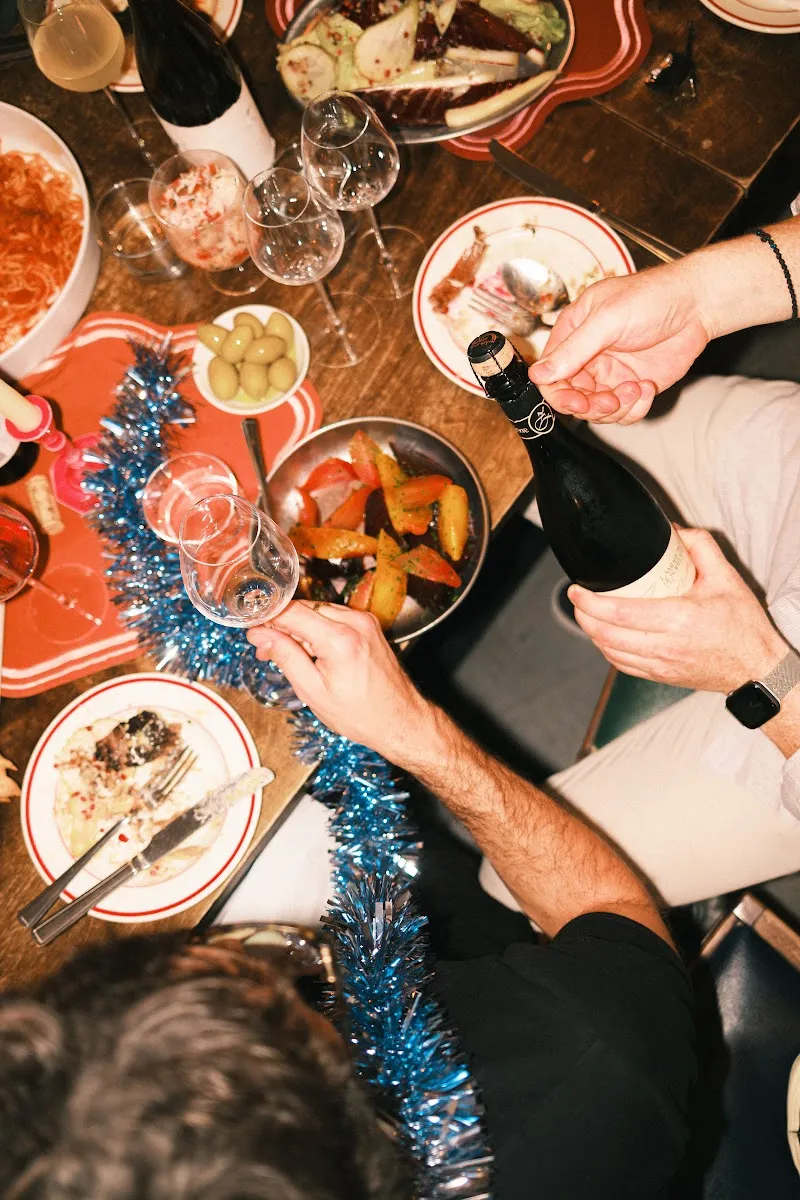
    Instagram matters more than it used to, and not just for looking nice. Searches for “Instagrammable Christmas restaurant” rose 900% year on year in some cities. People are choosing venues by how they look in photos. Show the room dressed, the food plated and a full table having a good time. That beats a graphic with a snowflake on it every time.

    Use your email list, and time it

    If you’ve been collecting emails, this is the moment they pay for themselves. Start with last year’s organisers. Email them personally before the menu goes public, and offer them first pick of dates. Then send the Christmas menu to your full list in October, and again in November with a date that’s filling up.

    Timing helps too. In Access Hospitality’s data, Monday 1 December was last year’s busiest single day for guests making bookings, and Thursdays were the strongest day of the week across December. The first working day of December and any Thursday are good days to land in inboxes.

    Don’t switch off on the 25th

    New Year’s Eve is a different game and it’s played late. 61% of NYE table bookings come in during the last four days of December. Keep your NYE offer live and visible through Boxing Day. The venues that go quiet after Christmas Day hand those bookings to whoever’s still posting.

    From experience

    We used to start planning Christmas in June
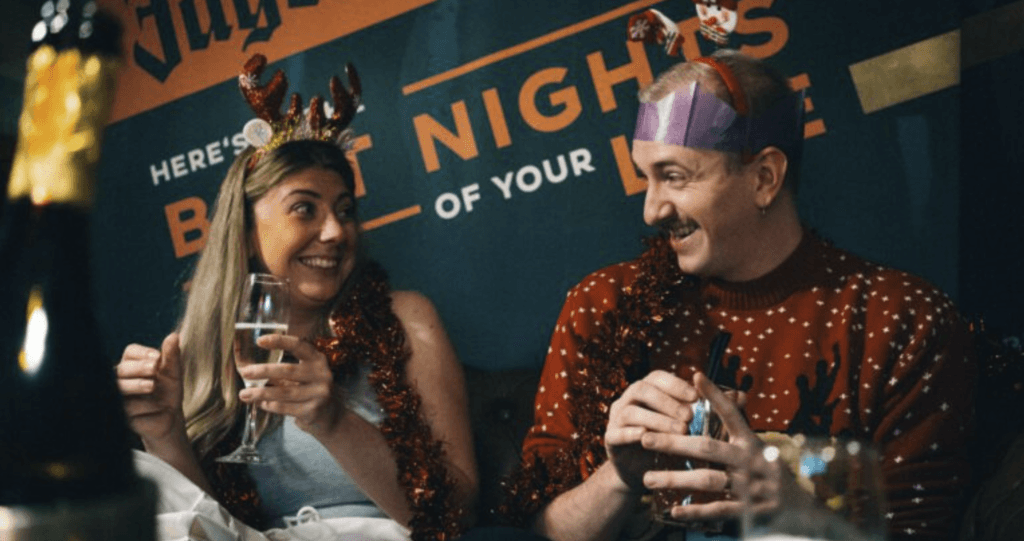
    Dean in a Christmas jumper and paper crown at a festive photoshoot, shot in the middle of summer
    Christmas, shot in a heatwave. The pigs in blankets were just out of frame.

    At a European bar group I worked at, Christmas planning started in June. Nothing builds a thicker skin than putting on a Christmas jumper in the middle of a heatwave for a photoshoot. Eating pigs in blankets under spotlights in the corner of a bar, while a room full of people watched the tennis, is a particular kind of magic. I’ve not been able to recreate it since. I’ve not tried very hard.

    It was a military operation, and every team had to connect. The kitchen locked in the menu early so it could be costed and shot. Sales built Christmas showcases and invited local businesses in to try it. Marketing pulled together models, photographers, social, the website and PR. Operations had to make all of it happen on the night. That was a team of twenty, and it still took months.

    As an independent, you might be every one of those teams at once, and you won’t have June. The lesson still holds. The only way through it is through it, so plan early and plan properly.

    The other thing that stuck with me is that the same work parties came back year after year. Your best Christmas bookings are usually last year’s. Keeping in touch with those organisers through the year is worth far more than starting from scratch every autumn.

    The short version

    December is decided by who’s visible and easy to book in October and November. Get the Christmas page up, put prices on it, tell Google and your list, and keep going until New Year’s Eve.
  • How to fill a quiet Tuesday

    How to fill a quiet Tuesday

    +126%

    more covers at Bistro Aix, using an email list they already had

    GoodFolks client result

    A table that sits empty on a Tuesday is money you never get back. You can’t save the seat for Saturday.

    Time and seats are the two things in a restaurant that genuinely go off, and an empty one on a quiet service is revenue lost for good. Most owners treat midweek as a problem to discount their way out of. It usually isn’t a pricing problem. It’s a reasons problem. Nobody’s giving people a reason to come out on a Tuesday.

    First, find out which Tuesday you’ve got

    The working week has changed, and your quiet nights might not be where you think. Some operators now find Tuesday lunch almost as busy as Saturday, because it’s the first day many people are back in the office after working from home on Monday. Friday lunch, once the busiest of the week, is now the quietest.

    So before you change anything, look at your till by service, not by day. A quiet Tuesday dinner and a quiet Tuesday lunch are different problems with different fixes. The lunch is office workers. The dinner is locals.

    Give people a reason, not a discount

    The temptation is to knock 30% off and hope. Be careful. Almost half of consumers are actively hunting for deals, but heavy price cuts risk locking a venue into trading that doesn’t make money. Midweek set menus, bundles and loyalty rewards hold the margin while still giving deal-seekers a reason to book.

    The best midweek offers aren’t really about price at all. Hawksmoor’s Mondays are unusually busy because of a £5 corkage charge on any bottle a guest brings in. It’s a reason to come on that night specifically, and it gets talked about.

    A few that work for independents:

    • A night with a name. Steak night, pasta night, a two-for-one on a dish you’re known for. Something people can put in the diary.
    • Bring your own. Low corkage on a set night brings in wine people and fills the room.
    • A monthly one-off. A supper club, a guest chef, a tasting menu. Small, ticketed and sold in advance.
    • Locals first. A neighbourhood card or a Tuesday offer only for people on your email list. It rewards regulars instead of training everyone to wait for a deal.

    Tell the people who can actually come

    Midweek trade is local. Somebody in the next postcode isn’t coming out on a Tuesday. Somebody three streets away might.

    So the marketing should be local too. Email your list the week before. Post on your Google Business Profile, which is where “restaurants near me” searches end up. Use Instagram stories on the day to show the room filling up. Talk to the businesses around you, because their staff eat out as well.

    Give it eight weeks

    A midweek night takes time to stick. People have to hear about it, try it, and then remember it’s a thing. Most venues give up after three weeks of middling covers, which is right before it starts to work.

    Pick one idea, run it every week for two months, and judge it on covers, not likes.

    From our work

    You probably have the tools already

    Most owners we meet aren’t short of the things that fill a quiet night. They’ve got an email list built up over years of bookings. Their regulars follow them on Instagram and genuinely like them. What they don’t have is the time to use any of it, because they’re on the floor, in the kitchen or doing the accounts at midnight.

    That was the case at Bistro Aix, a North London restaurant we started working with. The list was there. The following was there. Nothing was being sent. We took that email list and sent a weekly email, every week, without fail. It was as simple as that. Covers grew 126%, at a time when the regional average was down 30%.

    Nothing clever. Just the tools they already had, finally being used.

    Read the full Bistro Aix story →

    The short version

    Find out which service is actually quiet. Give people a reason to come that night, not just a cheaper bill. Tell the people who live close enough to turn up, and keep going long enough for it to become a habit.

    Chances are you already have what you need to do all of that. What’s missing is the time. That’s where we come in.

  • How to add more money to your menu (without annoying your customers)

    How to add more money to your menu (without annoying your customers)

    £4.16

    added to the average bill by a single upsell

    4m+ orders across 411 UK venues

    There’s a stat doing the rounds that every hospitality operator should know: the average upsell adds £4.16 to a bill.

    That’s not from guesswork. It’s from over 4 million orders across 411 UK venues, pulled from a year of digital ordering data.

    Pubs, interestingly, have the lowest attachment rate of any venue type. Just 1% of orders include an upsell, but pubs have the highest upsell value when it does happen. Independent restaurants and casual dining sit at the other end, with attachment rates closer to 14%. Same industry, wildly different outcomes. The difference isn’t luck. It’s menu design.

    Here’s what the data (and twenty years of hospitality marketing) tells us actually works.

    Find your house black dhal

    Every great menu has one dish or drink that’s easy to sell, hard to forget, and printing money on margin. Dishoom call theirs the house black dhal. It’s always on the menu. It’s never been taken off. Everyone who eats there knows it.

    You’ve probably already got a version of this. You just haven’t noticed it yet. Three ways to find it:

    • Read your online reviews and see what people keep raving about.
    • Ask your customers directly what they’d miss if it disappeared.
    • Ask your front and back of house teams. They know what gets requested, hacked, or polished off every single service.

    The winning formula is versatility plus ownability. Chips are the UK’s number one upsell for a reason: they go with everything. Your house dish needs that same flexibility, but with a story that makes it yours. Think Pizza Express dough balls or Hawksmoor’s bone marrow. Homemade, slow-made, or house-made provenance helps enormously here.

    Don’t sleep on drinks

    Food gets all the attention in menu engineering conversations, but drinks are often the easier upsell. A well-branded house soft drink can shift a guest off a can of Coke without a hard sell. Just “can I get you our [name] soda?” does the job.

    One brand launched a sangria in autumn, when nobody expected it, and it outsold Aperol Spritz at the height of the following summer. Timing and confidence in the offer matter more than seasonality logic would suggest.

    The sweet spot for drinks pricing sits between £6 and £10. Shareable food can stretch to around £12. And presentation earns its keep: a Pimm’s in cut crystal justifies a different price point to the same drink in a half-pint glass. People are paying for the feeling as much as the liquid.

    Make it visually impossible to ignore

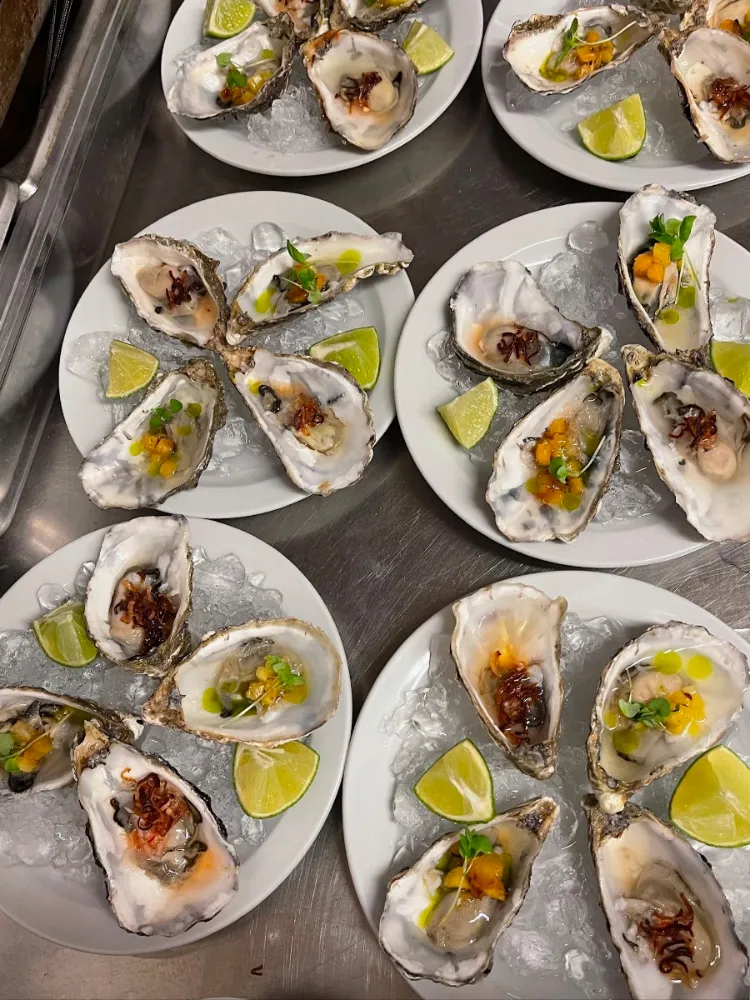
    This is the part most menus get wrong. A dish that looks incredible on one table pulls orders from every table around it. It’s sometimes called the fajita effect, sometimes the espresso martini effect, but the mechanism is the same: visible, shareable, slightly theatrical food sells itself.

    On the page, pictures do heavy lifting. One operator saw house soda sales jump 61% just from adding a photo. Pickle sides went up by roughly 140%. Illustrations work too if photography isn’t your style. One pizza chain doubled soft drink sales purely by illustrating their house drinks instead of listing them as plain text.

    Digital menus have an advantage here because they can auto-prompt an upsell at the right moment. But physical menus can do the same job with smart layout. The trick either way is restraint: don’t try to upsell the whole menu, just the “can I get you a side with that?” moment. Two or three options, no more.

    Watch your menu length

    Decision fatigue is real, and it kicks in fast, usually by the third or fourth item in any list. If you’ve got a long list of starters or sides, split it into sub-sections rather than one long column. Sharer starters versus standard starters, for example.

    And if a list has to run long, break it up visually. A boxed-out or illustrated item partway down keeps the eye moving and stops people glazing over before they reach your best margin dish.

    The bottom line

    None of this requires a menu overhaul. It requires knowing which dish or drink is already doing the work for you, then giving it the presentation, pricing, and positioning to do more of it. Start with one item. Photograph it properly, price it with intent, and train the team to offer it every time.

    £4.16 a bill doesn’t sound like much until you multiply it by every table, every night, every month.